Artist’s Story
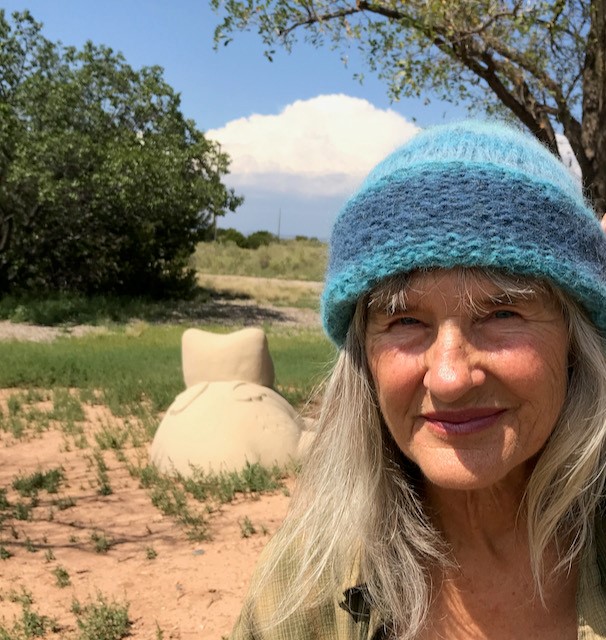
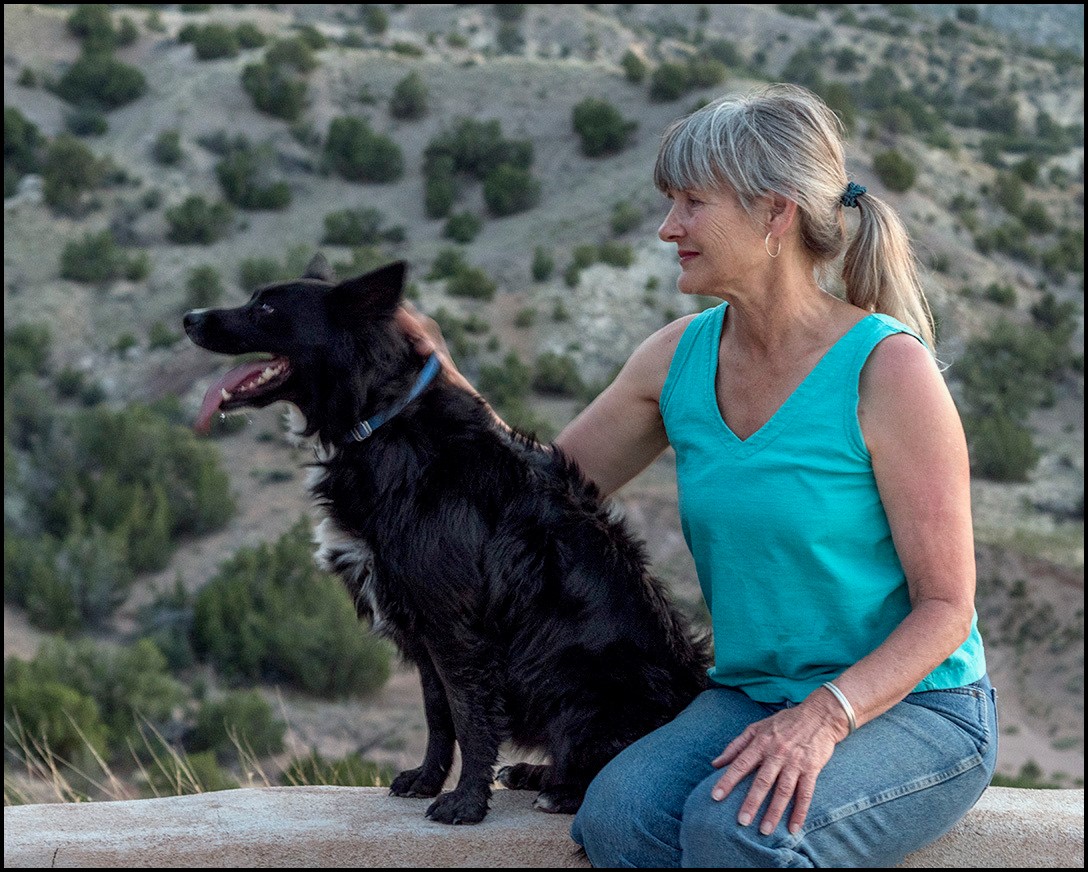
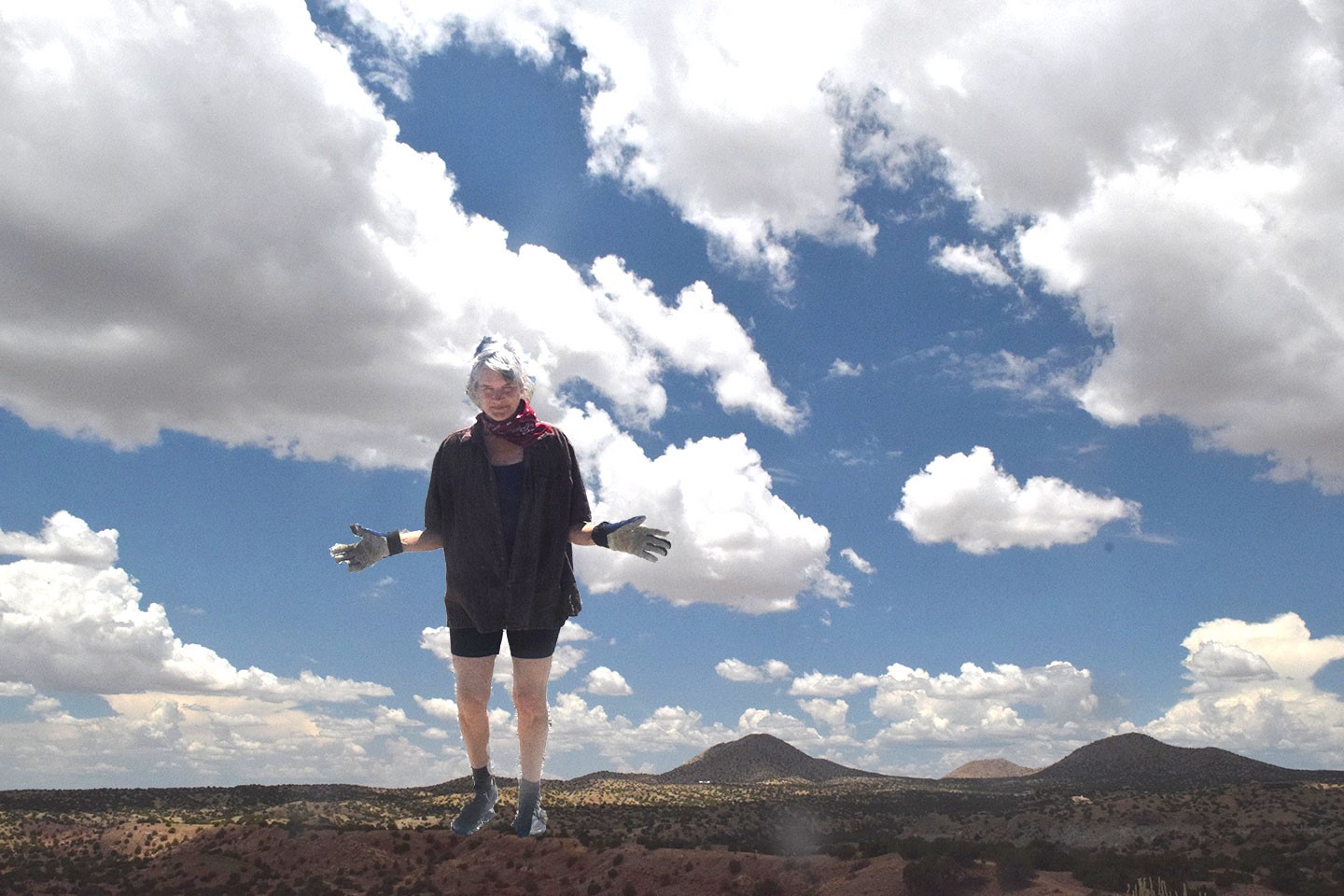
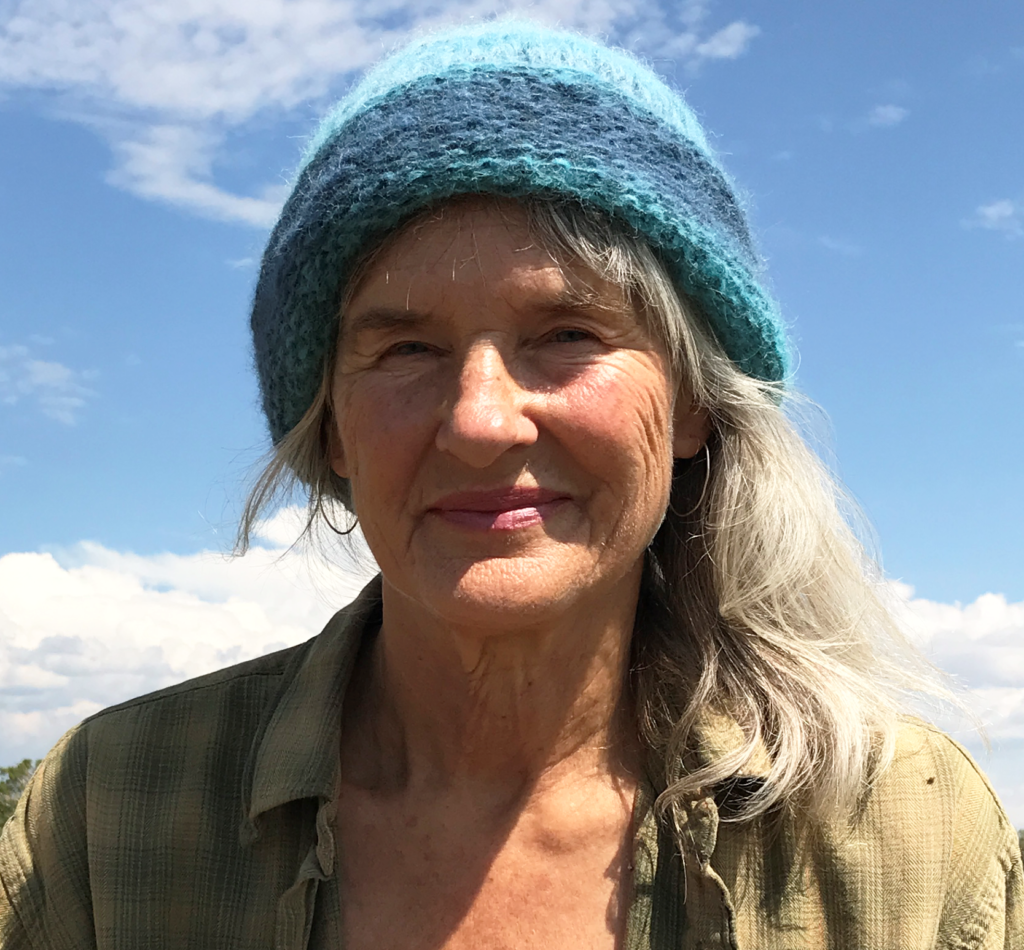
Paula lives just south of Santa Fe, New Mexico, with expansive open views and the best clouds in the world. The delight of interacting with other creatures - people and animals- inspires her art.
There is one loving intelligence that creates all that is, supports, and sustains all of life. I love to share this inspiration through my artwork, primarily painting and sculpture.
I love all creatures, knowing they are included in divine goodness, as humans are. It’s all there is, and we are all a part of it. The only thing that separates us is our thinking, and appreciation of life brings us together.
As a kid in a small town south of San Francisco, I loved shaping and soldering copper and brass into jewelry and sculptures of animals and insects.
Thanks to my parent’s love of art and music, I’ve studied sculpture, paintings, drawings, and prints in museums and books since early childhood.
My original objective was to create art for public spaces. Print-making and sculptures that could be seen by the general public, not just for private viewing. I finally realized there’s nothing wrong with also making art that brings light and life to private spaces.
The first sculpture for public places I created was the Ferro-cement “Stoic Horse,” now located in the San Luis Obispo, California, City-County Library.
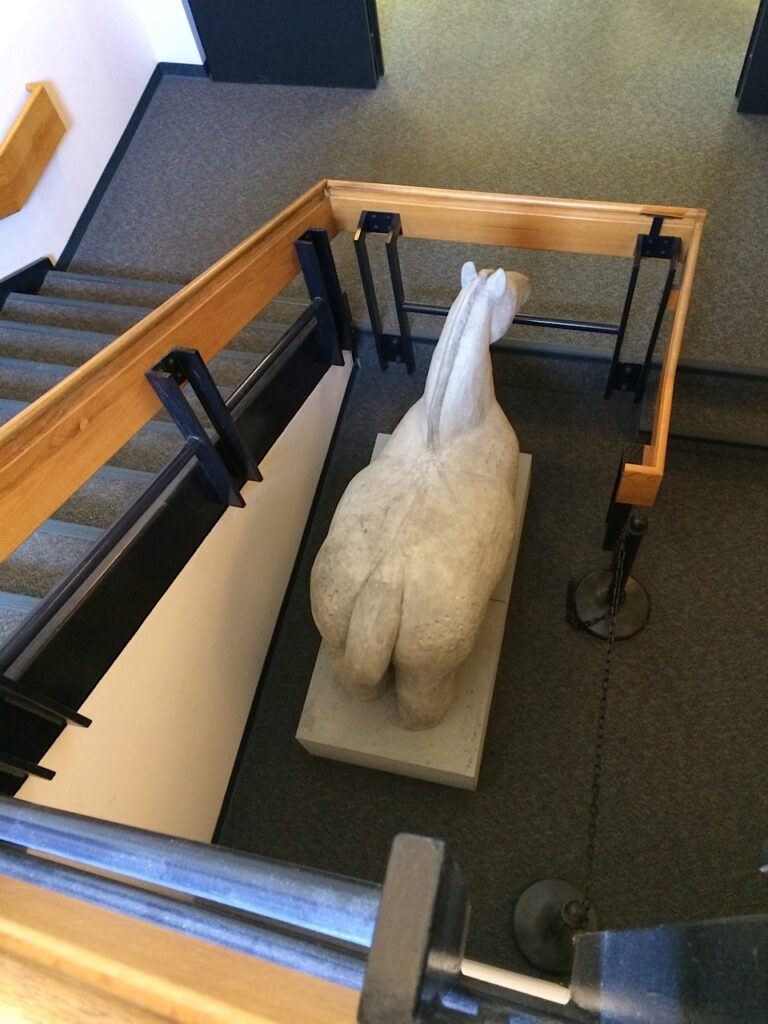
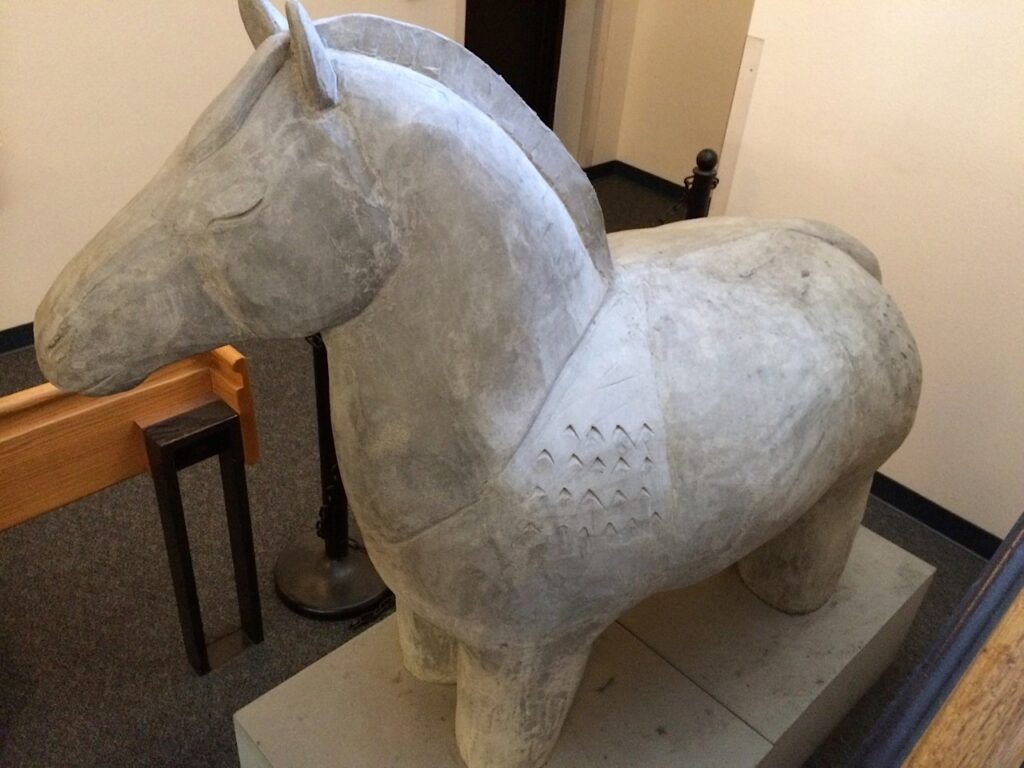
The “Stoic Horse" I love this view of him.
(Jeff Eidelman-photos)
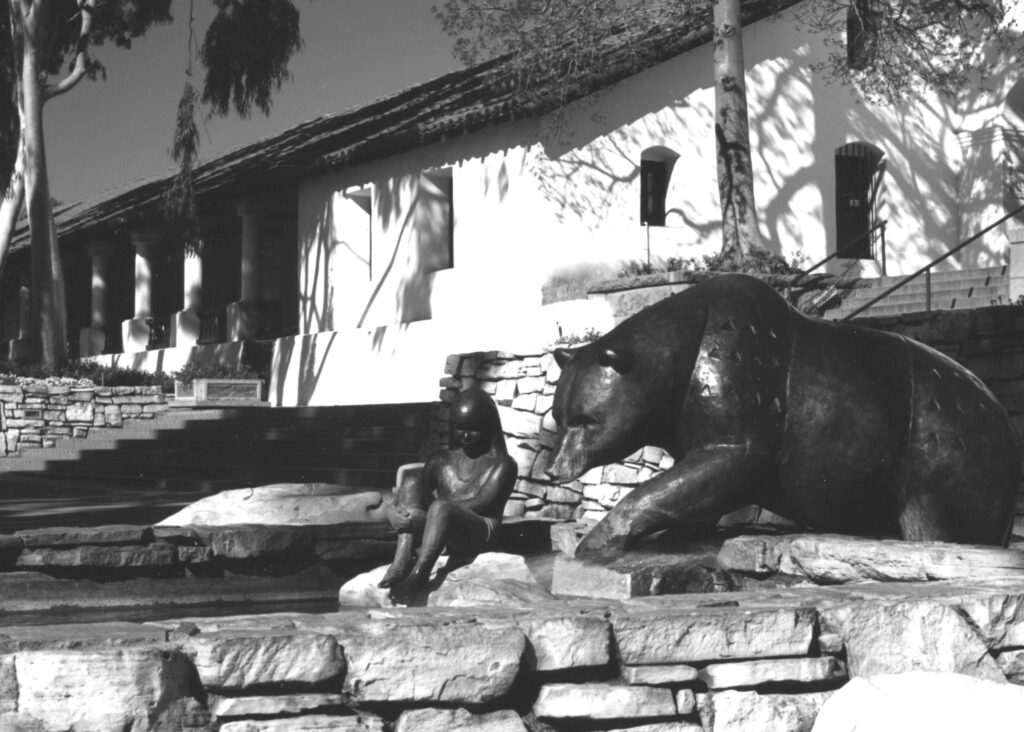
I’d been reading about ferro-cement, which seemed the least expensive way to create a giant sculpture. Standing in line with my cart full of supplies, I just happened to be standing next to an older fellow who had worked with the technique. He gave me a tip: “Trowel the cement thick at first; MOST of it will fall through the mesh. Don’t worry; just come back and throw more on. Soon, it WILL begin to stick.” Honestly, I would have given up without that advice. I loved working with Ferro Cement, and I loved BIG. The second large sculpture was the life-sized Bear and Child for the Fountain in the San Luis Obispo de Telosa Mission Plaza. Several years later, a young woman sent me a letter requesting information about the sculpture for a class project. Her first question was: “What is the significance of the Bear and Child to you and your journey as an artist?”
“That’s an excellent question. I’ve been sculpting since I was a young child. The Bear was one of the first significant pieces of public art I made. I loved that it was for everyone to see and touch, not just for one family that could afford it.
I walked by the fountain almost every day as I walked to my job at a local art store. I started thinking there should be a sculpture in or near that fountain and that I could do it. I wanted it to commemorate the two primary life forms that inhabited the area before the Spanish and other European people arrived: the Indigenous People and the Grizzly Bears. One day, while walking past the site, I stopped, and a vision of it suddenly appeared, like a vignette, completed in bronze, shining brightly. At that moment, I knew it was going to become a reality. My heart flipped; I felt like laughing and crying simultaneously.
The significance of the sculpture, for me, is that it was the largest project I’d ever tackled. I didn’t know a thing about bronze sculpture then; I just knew it needed to be in bronze. My clear vision of it surpassed all the obstacles I faced in bringing it about. That hasn’t always proved true throughout my life, but it gave me confidence in my ability to create a vision.”
The young woman’s next question was, “I noticed you put triangles on your sculptures; why is this?”
“The triangles evolved from the maquette, the small working model I made of the proposed sculpture. I initially pushed the tool I used into the clay the maquette was made of. It was a quick way to symbolize the wet fur a Grizzly playing in the water has. As I worked, I realized it was a wonderful symbol of the spiritual world, grounding in the earth leading up to the sky. So, I also put them on the young Chumash girl. Friends helped me locate a young girl of that heritage, who posed for me to take photos so I could sculpt more accurately; she lived on or near the Santa Ynez reservation south of Santa Barbara. At the time, I wasn’t aware that there was another tribe, the Salinian, that also lived in the San Luis Obispo area. The triangles show up on other sculptures now, and sometimes, in my paintings, they are a reminder of the unity, the one-ness, the spirituality of all beings.”
Her third and last question was: “How many hours went into making the Bear and Child Sculpture, “Tuquski’ wa Suwa?”
“I kept some records of the time I put into the project, but not all:
The original sculpture did not include the two baby bears; they were added later at the request of the Von Stein family, who partially funded the project.
The Chumash child’s total sculpting time was 82 hours.
The Bear was about 72 hours of sculpting time.
Besides this, there were hours and hours of working on the maquettes, the first miniature versions of the sculptures, to show people what I had in mind, as well as the time spent talking to the several SLO City committees who had to approve it, the Chumash elders to give it their blessing, working at the foundry to oversee the process of casting the original work into bronze and the finishing work, locating the boulders placed around the sculpture, designing the fountain spray; and communicating with the woman who held a doctorate in the language of the Obispanian Chumash who helped me find a simple way of saying Bear and Child in that language, “Tuquski’ wa Suwa,” I wanted the sounds of those words to be spoken on that little piece of land again.
That’s all for now; there are photos of this and other public sculptures I’ve done on this website. I have a reputation for doing Bears; however, I love all creatures and would especially LOVE to do some beautiful large horses. 🩶